Imported or local kitchen in Australia: what should you compare?
Reviewed by Bo, Project Manager at NOVARTE · Updated
A practical checklist for comparing a kitchen made overseas with a local cabinetmaker's quote: the cost lines, the timing and the risks — and how to reduce them.
The practical answer
Compare the complete installed cost. Add freight, applicable duty, GST, clearance, local delivery, installation and the benchtop to an imported cabinet quotation. Then compare timing and the arrangements for measurement, transit damage and missing parts. Local measuring and factory assembly can help manage fit and on-site assembly work, while the final scope and cost still depend on your project.
Local prices for reference
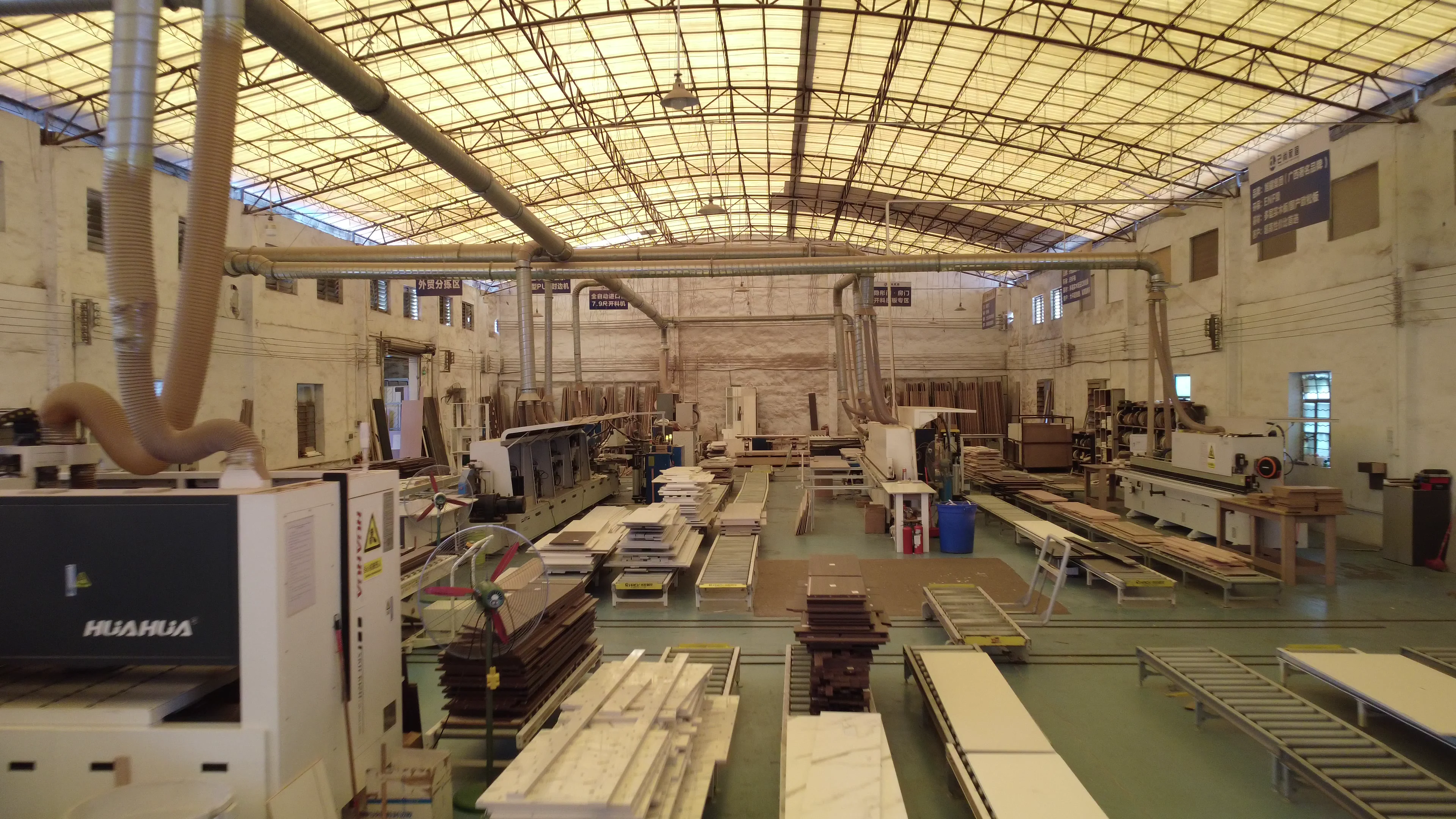
The Quote Yard’s 2026 New South Wales guide lists indicative made-to-measure laminate cabinetry at AUD 1,100–1,700 per linear metre and 2-pac cabinetry at AUD 1,800–3,200 per metre. These are that publisher’s reference figures, not a quotation from NOVARTE or a guaranteed complete installed-kitchen total.
The same guide separates items such as benchtops, appliances and trade work. Ask local suppliers for written quotations that state exactly what installation and other costs are included, then compare the same dimensions, finish, hardware and supply scope.
The cost lines to compare
| Cost line | Local cabinetmaker | Imported from Foshan |
|---|---|---|
| Cabinets and doors | Confirm cabinet runs, finish, hardware and fitting scope. | Confirm the factory supply price, specification and agreed delivery term. |
| Benchtop | Confirm whether the top, templates and cut-outs are included. | Use a permitted material, shipped with the cabinets or measured and fabricated locally. |
| Freight and delivery | Confirm delivery, unloading and access allowances. | Allow for sea freight, port costs, local delivery and unloading. |
| GST and customs | Check whether the quoted total includes GST. | GST is generally 10% of the value of taxable importation, which includes customs value, applicable duty and relevant transport and insurance. Allow for clearance fees. ChAFTA preference depends on classification, origin rules and valid origin evidence. |
| Installation | Confirm removal, fitting, adjustments and trade work. | Budget for the local installer. Factory assembly reduces box-assembly work but does not replace on-site fitting. |
| Measurement | Confirm the check measure and responsibility for fit. | Arrange our Australian measuring team or your builder’s final site measure, then approve production drawings. |
Timing
Allow 7–14 days for drawing and sample confirmation, with custom production typically taking 30–45 days after final approval. Add sea freight and customs clearance. Material choices, quantity and complexity affect the agreed programme.
Coordinate arrival with the build schedule, site access and a suitable dry storage area, rather than considering only the factory completion date.
Risks and how to reduce them
- Fit: use a local check measure and approve dimensions, service positions, appliance sizes and installation clearances before manufacture.
- Installation work: compare flat-pack and factory-assembled options, including the effect on container space and freight.
- Transit damage and missing parts: agree packing photos, room labels, quantity checks, insurance and a documented repair or replacement route.
- Compliance: review applicable import and local requirements with your broker and installer, including asbestos-free evidence and the actual benchtop specification.
When local makes more sense
An urgent replacement or a small job with a short installation window may be more practical locally. Importing is easier to plan when there is time for drawings, samples, production and freight. A single custom item can still be reviewed; packing and transport economics matter alongside its size.
Related import planning
Sources
Common questions
Is an imported kitchen cheaper than a local one in Australia?+
It can be, but there is no universal saving. Compare like-for-like specifications and complete installed costs, including freight, duty where applicable, GST, delivery, fitting and the benchtop.
Do imported cabinets arrive flat-packed?+
Both options exist. For Australian projects we assemble cabinets in our factory before shipping. Your installer still fits the units on site. Assembled cabinets occupy more container space, which affects freight.
Who measures my kitchen?+
We work with a local measuring team in Australia, or your builder can provide the final check measure. Dimensions, site conditions and responsibility for the approved production drawings are confirmed before manufacture.
How long does an imported kitchen take?+
Use 7–14 days for drawing and sample confirmation and typically 30–45 days for production after final approval as planning references, then add shipping, clearance and local delivery. Agree the actual programme for your order.